PVC bathroom cladding panels have emerged as a popular choice for homeowners and contractors alike when it comes to enhancing the aesthetics and functionality of bathroom spaces. As a leading supplier of PVC bathroom cladding panels, I am often asked a fundamental question: Are PVC bathroom cladding panels waterproof? In this blog post, I will delve into the science behind PVC, examine the waterproofing capabilities of these panels, and discuss their suitability for bathroom applications. PVC Bathroom Cladding Panels
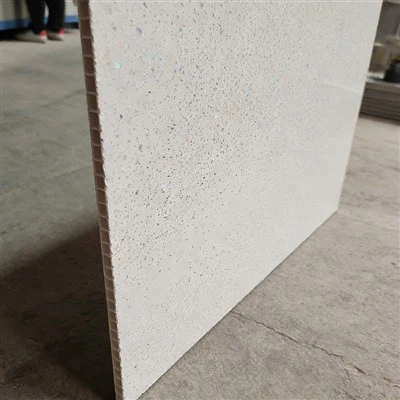
Understanding PVC: The Basics
PVC, or polyvinyl chloride, is a synthetic plastic polymer that is widely used in various industries due to its versatility, durability, and cost – effectiveness. It is created through a chemical reaction between vinyl chloride monomers. PVC can be formulated in different ways to achieve various properties, such as flexibility or rigidity.
In the context of bathroom cladding panels, rigid PVC is the commonly used form. Rigid PVC has high strength, which allows it to hold its shape well and withstand mechanical stress. It is also resistant to a wide range of chemicals, making it suitable for environments where it may come into contact with cleaning agents and other substances commonly found in bathrooms.
The Waterproofing Mechanism of PVC
One of the key features of PVC is its inherent hydrophobic nature. Hydrophobic materials repel water, meaning they do not absorb water easily. This property is crucial when considering the waterproofing capabilities of PVC bathroom cladding panels.
The molecular structure of PVC plays a significant role in its waterproofing ability. The long – chain polymer molecules in PVC are tightly packed, creating a dense and continuous material. This dense structure prevents water molecules from penetrating the panel. Additionally, PVC does not have pores or capillaries like some natural materials such as wood or certain types of stone, which could potentially allow water to seep in.
Furthermore, the manufacturing process of PVC bathroom cladding panels often includes additional treatments to enhance their waterproofing. For example, some panels may be coated with a special sealant on the surface. This sealant acts as an extra barrier, further reducing the risk of water ingress.
Testing the Waterproofness of PVC Bathroom Cladding Panels
To ensure the quality and waterproofness of our PVC bathroom cladding panels, we conduct a series of rigorous tests. One of the most common tests is the water immersion test. In this test, a sample of the panel is submerged in water for a specified period, usually for several days.
During the water immersion test, we carefully monitor the panel for any signs of water absorption. This can be measured by weighing the panel before and after the immersion. If the weight of the panel remains relatively unchanged, it indicates that the panel has not absorbed significant amounts of water.
Another test is the spray test. In this test, water is sprayed onto the surface of the panel using a high – pressure sprayer, simulating heavy rainfall or splashing water in a bathroom. We then check for any water leakage through the panel or along the seams.
In addition to these practical tests, we also rely on industry standards and certifications. Many of our PVC bathroom cladding panels meet or exceed relevant international standards for waterproofing and moisture resistance. These standards are established based on extensive research and testing in real – world conditions.
Waterproofing in Bathroom Applications
Bathrooms are high – humidity environments where water is constantly present in the form of showers, bathtubs, and sinks. Therefore, any material used in a bathroom must have excellent waterproofing properties to prevent water damage, mold growth, and structural issues.
PVC bathroom cladding panels are well – suited for such environments. They can be effectively installed in different areas of the bathroom, including shower enclosures, bathtub surrounds, and wall areas around sinks. When properly installed, the panels create a seamless and waterproof barrier.
Proper installation is key to achieving optimal waterproofing. This includes ensuring that the panels are securely fixed to the wall or surface, and that the joints between the panels are properly sealed. We usually recommend using a high – quality silicone sealant at the joints to prevent water from seeping through the gaps.
Advantages of Using Waterproof PVC Bathroom Cladding Panels
Beyond their waterproofing capabilities, PVC bathroom cladding panels offer several other advantages. Firstly, they are easy to clean. Unlike some traditional bathroom materials such as tiles, which may have grout lines that can collect dirt and mold, PVC panels have a smooth surface that can be wiped clean with a damp cloth and a mild cleaning agent.
Secondly, PVC panels are lightweight. This makes them easier to handle and install, reducing labor costs and installation time. They are also less likely to cause excessive stress on the underlying structure compared to heavier materials.
In terms of aesthetics, PVC bathroom cladding panels come in a wide range of colors, patterns, and textures. Whether you prefer a modern, minimalist look or a more traditional style, there is a PVC panel option to suit your design preferences.
Limitations and Considerations
While PVC bathroom cladding panels are highly waterproof, it is important to note that they have some limitations. Extreme heat can soften PVC, so direct contact with high – temperature sources such as heaters should be avoided. Additionally, although PVC is resistant to many chemicals, prolonged exposure to certain harsh chemicals may cause damage to the panels.
It is also crucial to choose high – quality PVC bathroom cladding panels from a reputable supplier. Low – quality panels may not have the same level of waterproofing or durability, and may be more prone to issues such as warping, cracking, or discoloration over time.
Conclusion

In conclusion, PVC bathroom cladding panels are indeed waterproof. Their inherent hydrophobic nature, combined with additional treatments and proper installation, makes them an excellent choice for bathroom applications. They offer a practical and aesthetically pleasing solution for protecting bathroom walls from water damage, mold, and mildew.
Breathable Membrane As a supplier of PVC bathroom cladding panels, I am committed to providing high – quality products that meet the highest standards of waterproofing and performance. If you are considering using PVC bathroom cladding panels for your next project, I encourage you to get in touch with us. We can provide you with detailed information about our products, offer samples for you to evaluate, and assist you with any questions you may have during the selection and installation process.
References
- Crosby, W.M. "The Chemistry of Synthetic Polymers". Marcel Dekker, Inc., 1971.
- Wypych, G. "Handbook of Materials for Surface Protection". ChemTec Publishing, 2008.
- ASTM International standards related to waterproofing and moisture resistance of building materials.
Hangzhou Eastopo New Marterial Technology Co., Ltd.
As one of the most professional pvc bathroom wall panel manufacturers and suppliers in China, we offer a wide range of products with superior quality. Please rest assured to wholesale custom made pvc bathroom wall panel from our factory. Good service and reasonable price are available.
Address: Room 304-20, Block B, Building 1,2,3&4, Kaixuan Jinniu Fang, Shangcheng District, Hangzhou, Zhejiang, China.
E-mail: mj@eastopo.com
WebSite: https://www.eastopo.com/
