Measuring the cell volume of a Chrome Anilox Roller accurately is a crucial aspect in the printing and coating industries. As a Chrome Anilox Roller supplier, I’ve witnessed firsthand how precise cell volume measurements can significantly impact the quality of the end – product. In this blog, I’ll share some effective methods and best practices to measure the cell volume of a Chrome Anilox Roller accurately. Chrome Anilox Roller
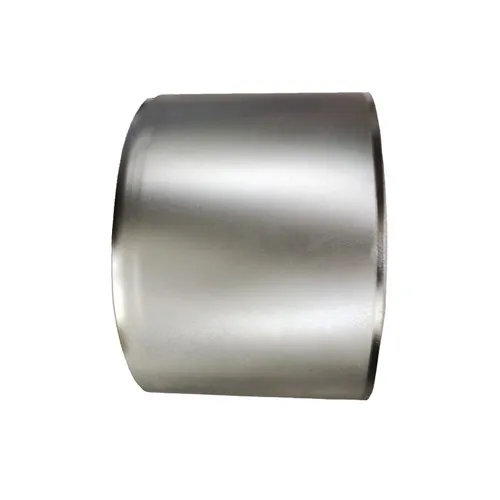
Understanding the Importance of Cell Volume in Chrome Anilox Rollers
First, let’s understand why cell volume matters. Chrome Anilox Rollers are used in flexographic printing and other coating processes to transfer a specific amount of ink or coating material to the substrate. The cell volume determines the amount of fluid that can be held and transferred per unit area of the roller’s surface. An inaccurate cell volume can lead to issues such as uneven ink distribution, too much or too little ink on the printed material, and inconsistent print quality. For high – quality printing jobs, it is essential to have a precise and consistent cell volume across the roller.
Methods for Measuring Cell Volume
Gravimetric Method
The gravimetric method is one of the most straightforward ways to measure the cell volume of a Chrome Anilox Roller. Here’s how it works:
- Cleaning the Roller: First, thoroughly clean the roller to remove any residual ink, debris, or coatings. This ensures that the measurement is based solely on the capacity of the cells themselves. Use a suitable cleaning solution recommended for Chrome Anilox Rollers and follow the proper cleaning procedures.
- Filling the Cells: Immerse the roller in a known – density fluid. The fluid should completely fill the cells without leaving any air bubbles. For this, it’s important to choose a fluid that has a low viscosity and can easily penetrate the small cells of the roller. A common choice is a light – weight oil or a calibrated ink substitute.
- Removing Excess Fluid: After filling the cells, carefully remove the roller from the fluid and remove any excess fluid on the surface. This can be done using a doctor blade or a specially designed wiping device. Make sure not to remove any fluid from the cells themselves.
- Weighing the Roller: Weigh the roller before and after filling the cells. The difference in weight represents the mass of the fluid in the cells.
- Calculating the Cell Volume: Using the known density of the fluid, you can calculate the volume of the fluid in the cells. The formula for calculating volume is (V = m/\rho), where (V) is the volume, (m) is the mass, and (\rho) is the density. Then, by dividing the total volume of the fluid by the surface area of the roller covered with cells, you can obtain the average cell volume per unit area.
One of the advantages of the gravimetric method is its simplicity and relatively low cost. However, it has some limitations. It provides an average cell volume measurement and may not be able to detect variations in cell volume across the surface of the roller. Also, it can be time – consuming and requires careful handling to ensure accurate results.
Optical Measurement Methods
Optical measurement methods offer a non – destructive and more detailed way to measure the cell volume of a Chrome Anilox Roller.
3D Scanning
3D scanning technology can be used to create a detailed 3D model of the roller’s surface. By using a high – resolution 3D scanner, you can capture the shape and dimensions of each individual cell on the roller. The scanner emits light or other forms of electromagnetic radiation and measures the reflection or interference patterns to construct the 3D image.
Once the 3D model is created, specialized software can be used to analyze the model and calculate the volume of each cell. This method provides a very accurate and detailed measurement of the cell volume, allowing you to detect any variations or defects in the cells. For example, you can identify cells that are too shallow or too deep, which may affect the ink transfer.
The main advantage of 3D scanning is its high accuracy and the ability to provide detailed information about the cell structure. However, the equipment can be expensive, and the process requires a certain level of technical expertise to operate the scanner and analyze the data.
Confocal Microscopy
Confocal microscopy is another powerful optical measurement technique. It uses a laser – based system to capture images of the roller’s surface at different depths. By focusing on different planes within the cells, it can create a series of images that can be used to reconstruct the 3D shape of the cells.
Similar to 3D scanning, dedicated software can then analyze the confocal images to calculate the cell volume. Confocal microscopy offers high – resolution imaging and can provide accurate volume measurements, even for very small cells. It is also useful for studying the surface morphology of the cells, such as the presence of any roughness or irregularities.
However, like 3D scanning, confocal microscopy equipment is costly and requires trained personnel to operate and analyze the results.
Best Practices for Accurate Measurements
Regular Calibration of Measuring Equipment
Whether you are using the gravimetric method or optical measurement methods, it is essential to regularly calibrate your measuring equipment. For example, if you are using a balance for the gravimetric method, make sure it is calibrated according to the manufacturer’s instructions. Similarly, for optical measurement devices such as 3D scanners and confocal microscopes, regular calibration ensures accurate and consistent measurements.
Consistent Measurement Conditions
Maintain consistent measurement conditions to minimize errors. This includes factors such as temperature and humidity. Changes in temperature can affect the dimensions of the roller and the density of the fluids used in the gravimetric method. Therefore, it is recommended to perform measurements in a controlled environment with a stable temperature and humidity.
Multiple Measurements
To increase the accuracy of your measurements, take multiple readings. This helps to account for any minor variations in the measurement process or the roller itself. For example, if you are using the gravimetric method, repeat the filling and weighing process several times and calculate the average. For optical measurement methods, scan or image different areas of the roller and average the results.
Quality Assurance and Control
Accurate cell volume measurement is not only important for initial product assessment but also for ongoing quality control. As a Chrome Anilox Roller supplier, I implement a comprehensive quality assurance program. This includes regular inspections of the rollers during the manufacturing process, using the measurement methods described above. By ensuring that the cell volume is within the specified tolerances, we can guarantee the quality and performance of our Chrome Anilox Rollers.
Conclusion
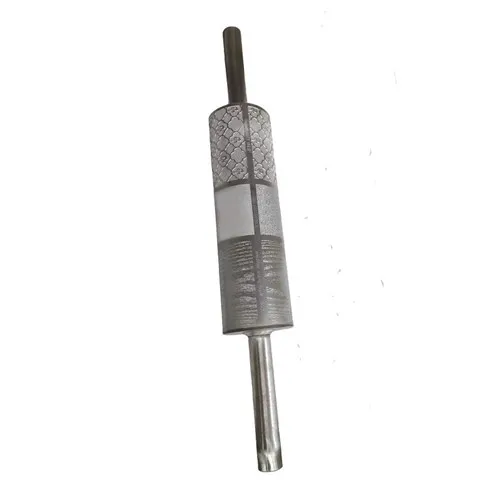
Accurately measuring the cell volume of a Chrome Anilox Roller is essential for achieving high – quality printing and coating results. Whether you choose the gravimetric method for its simplicity or optical measurement methods for their high accuracy and detailed information, following the best practices and maintaining a strict quality control program is crucial.
Micro Gravure Roll If you are in the market for high – quality Chrome Anilox Rollers and need reliable products with accurate cell volume specifications, we are here to help. Our team of experts can provide you with detailed information about our products and assist you in choosing the right Chrome Anilox Roller for your specific needs. Contact us to start a procurement discussion and take your printing and coating processes to the next level.
References
- Smith, J. (2018). "Advances in Anilox Roller Technology." Printing Industry Journal.
- Johnson, A. (2019). "Precision Measurement in the Printing Industry." Coating and Printing Science Review.
- Williams, K. (2020). "Optical Measurement Techniques for Industrial Components." Journal of Mechanical Engineering and Measurement.
Kunshan Hanhan Co., Ltd.
We’re well-known as one of the leading chrome anilox roller manufacturers and suppliers in China. We warmly welcome you to buy high quality chrome anilox roller made in China here from our factory. If you have any enquiry about cooperation, please feel free to email us.
Address: No. 1093, B Zone, No. 2 Xugongqiao Rd, Huaqiao Town, Kunshan City, Suzhou, Jiangsu, China
E-mail: info@kshhroller.com
WebSite: https://www.kshh-roller.com/
