What is the aging resistance of forklift solid tires?
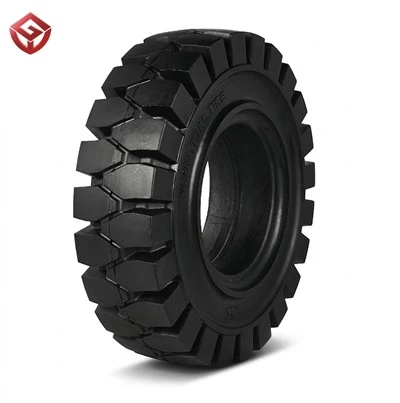
As a supplier of forklift solid tires, I’ve delved deep into the nuances of these products, and one characteristic that stands out as crucial is the aging resistance of forklift solid tires. Aging resistance refers to the ability of a tire to withstand the various environmental and mechanical factors that cause deterioration over time, maintaining its performance and integrity for an extended period. Forklift Solid Tire
Factors Influencing the Aging of Forklift Solid Tires
To understand aging resistance, we first need to recognize the factors that contribute to tire aging. The most significant environmental factor is exposure to oxygen. Oxygen in the air reacts with the rubber compounds in the tires through a process called oxidation. This chemical reaction gradually breaks down the rubber’s molecular structure, making it harder, more brittle, and less elastic. As a result, the tire loses its ability to absorb shocks effectively, increasing the risk of cracking and splitting.
Another environmental factor is sunlight, specifically ultraviolet (UV) radiation. UV rays have enough energy to break the chemical bonds in the rubber. Over time, this leads to surface hardening, discoloration, and the formation of fine cracks, known as crazing. These cracks can start on the surface and gradually penetrate deeper into the tire, weakening its structure and potentially causing failure.
Temperature also plays a major role in tire aging. Extreme heat can accelerate the chemical reactions that lead to aging, such as oxidation and degradation of the rubber’s polymers. When a tire is continuously exposed to high temperatures, it can become soft and sticky, leading to a loss of tread depth and traction. On the other hand, extremely cold temperatures can make the rubber become rigid and less flexible, increasing the likelihood of damage from impacts and stress.
In addition to environmental factors, mechanical stress during normal use also contributes to tire aging. Forklift solid tires are subjected to constant pressure, friction, and bending as the forklift moves, turns, and carries loads. These mechanical forces can cause internal damage to the tire’s structure, such as the separation of different rubber layers or the formation of internal cracks. Over time, this cumulative damage weakens the tire and shortens its lifespan.
Importance of Aging Resistance in Forklift Solid Tires
Aging resistance is of utmost importance for forklift solid tires, primarily because it directly impacts safety. A tire that has aged significantly is more prone to failure, such as sudden blowouts or tread separation. In a forklift operation, a tire failure can lead to accidents, causing damage to the forklift, the goods it is carrying, and potentially injuring the operator or other workers in the vicinity.
From an economic perspective, tires with good aging resistance can save costs in the long run. Forklifts are essential equipment in many industries, including warehouses, manufacturing plants, and logistics centers. Replacing tires frequently due to premature aging can be a significant expense. By choosing tires with high aging resistance, companies can reduce the frequency of tire replacements, lower maintenance costs, and improve overall operational efficiency.
Moreover, aging – resistant tires can enhance the performance of forklifts. As tires age, their physical properties change, which can affect the forklift’s handling, stability, and traction. Tires that maintain their elasticity and mechanical properties over time provide better grip on the ground, allowing for smoother and more precise maneuvering. This is especially important in applications where the forklift needs to operate in tight spaces or handle heavy loads.
How to Measure the Aging Resistance of Forklift Solid Tires
There are several methods to evaluate the aging resistance of forklift solid tires. One common approach is accelerated aging tests. In these tests, samples of the tire rubber are subjected to harsh conditions such as high temperatures, high humidity, and intense UV radiation for a relatively short period. The changes in the rubber’s physical properties, such as hardness, tensile strength, and elongation at break, are then measured and compared to the original values. A smaller change in these properties indicates better aging resistance.
Another method is field testing. This involves installing the tires on forklifts and monitoring their performance over an extended period in real – world operating conditions. Field testing provides a more accurate assessment of the tires’ aging resistance because it takes into account all the factors that the tires will encounter in actual use, such as different types of terrain, load weights, and operating frequencies. By collecting data on tire wear, cracking, and other signs of aging, manufacturers can gain valuable insights into the long – term performance of their products.
Our Company’s Approach to Improving Aging Resistance
As a forklift solid tire supplier, we are committed to producing tires with excellent aging resistance. We start by carefully selecting high – quality raw materials. Our rubber compounds are formulated with special additives that act as antioxidants and UV stabilizers. These additives help to slow down the oxidation and degradation processes caused by oxygen and UV radiation, extending the tire’s lifespan.
In addition to using high – quality materials, we also pay close attention to the manufacturing process. Our state – of – the – art production facilities and strict quality control measures ensure that each tire is manufactured to the highest standards. During the vulcanization process, we precisely control the temperature, pressure, and time to create a strong and stable rubber structure that is more resistant to aging.
We also conduct extensive research and development to continuously improve our tire technology. Our team of engineers and scientists is constantly exploring new materials and manufacturing techniques to enhance the aging resistance of our products. By staying at the forefront of innovation, we can provide our customers with tires that offer superior performance and durability.
Contact Us for Your Forklift Solid Tire Needs
If you’re in the market for forklift solid tires with excellent aging resistance, look no further. We have a wide range of products to meet the diverse needs of different industries. Our team of experts is ready to provide you with professional advice and solutions tailored to your specific requirements. Whether you need tires for a small warehouse forklift or a heavy – duty industrial vehicle, we have the expertise and products to support you.
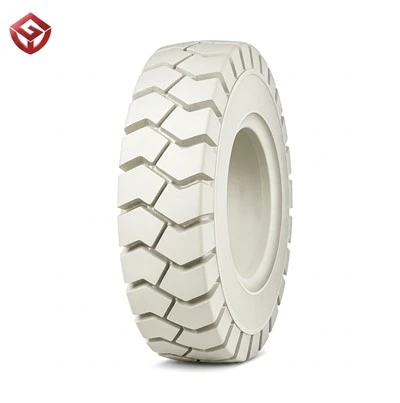
Non Marking Forklift Tire We understand the importance of reliable and long – lasting tires in your operations. That’s why we are committed to providing you with the highest quality forklift solid tires at competitive prices. If you’re interested in learning more about our products or discussing your tire needs, please feel free to reach out to us. We look forward to the opportunity to work with you and help you optimize your forklift performance.
References
- Rubber Technology Handbook, Werner Hofmann
- Tire and Rubber Manufacuring Technology, Compiled by the Tire and Rubber Association of Canada
Zhejiang Guowei Rubber Co., Ltd.
Zhejiang Guowei Rubber Co., Ltd. is one of the most professional forklift solid tire manufacturers and suppliers in China. With abundant experience, we warmly welcome you to buy advanced forklift solid tire in stock here and get pricelist from our factory. Quality products and reasonable price are available.
Address: No. 10, Nanyang 4th Road, Duqiao Town, Linhai City, Taizhou, Zhejiang Province, China
E-mail: gwsolid@gmail.com
WebSite: https://www.forkliftsolidtires.com/
