Control cables with low voltage are widely used in various industries for transmitting control signals and power. A common question that often arises is whether these cables can be used outdoors. As a supplier of control cable low voltage, I’ve encountered this query numerous times, and I’ll comprehensively explore this topic in this blog post. Control Cable Low Voltage
Properties of Low – voltage Control Cables
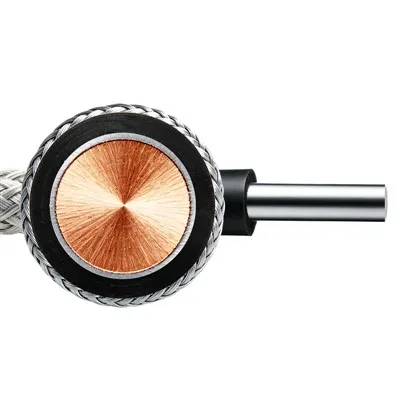
Low – voltage control cables are designed to operate at relatively low voltages, typically below 1000V. They are mainly used to transmit control, measurement, and signal data in electrical control systems. Their construction usually consists of multiple conductors, insulation materials, shielding layers, and outer sheaths.
The conductors are usually made of copper, which offers excellent electrical conductivity. The insulation materials are chosen for their electrical insulation properties, protecting the conductors from electrical interference and short – circuits. Common insulation materials include PVC (Polyvinyl Chloride), PE (Polyethylene), and XLPE (Cross – linked Polyethylene).
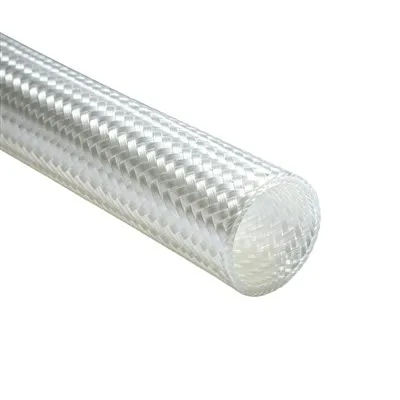
The shielding layer, often made of metal foil or braided metal, helps to reduce electromagnetic interference (EMI) and radio – frequency interference (RFI). This ensures the accuracy and stability of the signal transmission. The outer sheath provides mechanical protection to the cable and shields it from environmental factors such as moisture, chemicals, and abrasion.
Challenges of Using Low – voltage Control Cables Outdoors
While low – voltage control cables are very useful indoors, using them outdoors presents several challenges:
Weather Conditions
Outdoor environments are exposed to a wide range of weather conditions. Extreme temperatures, both hot and cold, can have a significant impact on the performance of control cables. High temperatures may cause the insulation material to become soft and degrade more quickly, leading to a reduced insulation resistance and increased risk of short – circuits. On the other hand, low temperatures can make the insulation and the outer sheath brittle, increasing the likelihood of cracks and damage.
Rain, snow, and humidity are also major concerns. Moisture can penetrate the cable through small cracks or gaps in the outer sheath, which can lead to corrosion of the conductors and a decrease in the insulation performance. Over time, this can cause signal degradation and even complete cable failure.
UV Radiation
Ultraviolet (UV) radiation from the sun can cause the outer sheath of the cable to deteriorate. PVC sheaths, for example, are particularly vulnerable to UV damage. Prolonged exposure to UV rays can cause the sheath to become hard, crack, and lose its protective properties. This not only exposes the internal components of the cable to the elements but also increases the risk of mechanical damage.
Physical Damage
Outdoor cables are more likely to be subjected to physical damage compared to indoor cables. They may be accidentally hit by vehicles, construction equipment, or other objects. Animals can also cause damage to the cables by chewing on them. Additionally, the movement of soil and vegetation can put stress on the cables, leading to abrasion or breakage.
Chemical Exposure
In some outdoor environments, cables may be exposed to various chemicals such as acids, alkalis, and oils. These chemicals can react with the insulation and sheath materials, causing them to degrade and lose their functionality. This is particularly common in industrial areas, near chemical plants, or in agricultural settings where pesticides and fertilizers are used.
Solutions for Outdoor Use of Low – voltage Control Cables
Despite the challenges mentioned above, low – voltage control cables can be used outdoors with the right design and precautions:
Specialized Sheath Materials
Using cables with weather – resistant outer sheaths is essential for outdoor applications. For example, cables with a polyethylene or polyurethane sheath are more resistant to UV radiation, moisture, and chemicals compared to PVC – sheathed cables. These materials can withstand extreme temperatures and maintain their flexibility over a wide temperature range.
Armored Cables
Armored low – voltage control cables are a good option for outdoor use. The armor, usually made of steel wire or steel tape, provides additional mechanical protection against physical damage. It can resist crushing, impact, and abrasion, making the cable more suitable for harsh outdoor environments.
Burial and Conduit Installation
Burying the cables underground or installing them in conduits can provide additional protection. Underground burial can shield the cables from direct sunlight, temperature extremes, and physical damage from above – ground objects. Conduits can also protect the cables from physical impact and environmental factors, and they allow for easy cable replacement and maintenance if necessary.
Regular Inspection and Maintenance
Regularly inspecting the outdoor cables for signs of damage, such as cracks in the sheath, corrosion of the conductors, or loose connections, is crucial. Any damaged cables should be repaired or replaced immediately to prevent further problems. Additionally, keeping the cable route clear of debris and vegetation can help reduce the risk of physical damage.
Advantages of Using Our Low – voltage Control Cables Outdoors
As a supplier of low – voltage control cables, we offer a range of products specifically designed for outdoor use:
High – Quality Materials
Our cables are made from high – quality conductors, insulation materials, and outer sheaths. We use UV – resistant, weather – resistant, and chemical – resistant materials to ensure the cables can withstand the harsh outdoor environment.
Customizable Solutions
We understand that different outdoor applications have different requirements. That’s why we offer customizable cable solutions. Whether you need a specific cable length, conductor size, or shielding type, we can tailor our products to meet your needs.
Technical Support
Our team of experts is available to provide technical support. We can help you select the right cable for your outdoor project, offer advice on installation and maintenance, and answer any questions you may have.
Conclusion
In conclusion, low – voltage control cables can be used outdoors, but it requires careful consideration of the environmental conditions and the use of appropriate cable designs and installation methods. By choosing high – quality, weather – resistant cables and implementing proper maintenance procedures, you can ensure the reliable performance of your outdoor control cable systems.
RF Coaxial Cable If you are interested in our low – voltage control cables for outdoor use, or if you have any questions regarding cable selection, installation, or maintenance, don’t hesitate to contact us. We look forward to discussing your project requirements and providing you with the best cable solutions.
References
- "Electrical Installations Handbook," Schneider Electric
- "Cable Engineering and Accessories," CRC Press
- Industry standards such as IEC (International Electrotechnical Commission) standards for low – voltage cables
Yangzhou Huayu Cable Co., Ltd.
Yangzhou Huayu Cable Co., Ltd. is one of the most professional control cable low voltage manufacturers and suppliers in China, also supports customized service with low price. Please feel free to wholesale advanced control cable low voltage made in China here from our factory. Contact us for pricelist.
Address: No. 9 Jingang Road, Yangzhou City, Jiangsu Province, China
E-mail: huayucableco@126.com
WebSite: https://www.huayucabletech.com/
