If you’ve ever visited a rural grain storage facility or walked past a farm at harvest time, you might’ve noticed these large, cylindrical metal structures dotting the landscape: grain steel silos. As a supplier who’s worked with farmers, grain handlers, and food processors for over a decade, I’ve seen firsthand how many people still undervalue these simple, robust pieces of infrastructure. A lot of folks default to wooden bins or temporary bags because they’re cheaper upfront, but that choice almost always comes with hidden costs that add up fast. Today, I want to break down the real, science-backed advantages of grain steel silos—why they’re not just a “preferred” choice, but a strategic investment that pays for itself year after year. Grain Steel Silo
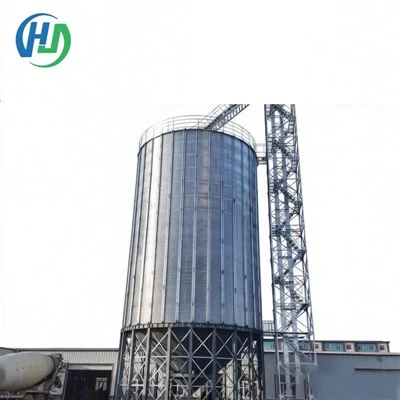
Let’s start with the biggest headache most grain producers face: spoilage. Grain is a living, respiratory organism, even after it’s harvested. It releases moisture and carbon dioxide as it sits, and if that moisture isn’t managed, mold, insects, and bacteria can take hold, turning valuable crops into waste. Here’s where steel silos stand head and shoulders above alternatives. Modern steel silos are designed with precision-engineered ventilation systems that aren’t one-size-fits-all. For example, flat-bottom silos can be fitted with aeration floors that blow dry, conditioned air directly through the grain mass, maintaining a consistent moisture level between 12 and 14 percent— the sweet spot for long-term grain storage, per research from the American Society of Agricultural and Biological Engineers (ASABE). Unlike wooden bins, which can warp, crack, or develop gaps that let humid outside air seep in over time, steel is non-porous and resistant to temperature swings that drive condensation. Last year, I worked with a 500-acre corn farmer in Iowa who had been storing his crop in wooden bins before switching to two 10,000-bushel steel silos. He told me his spoilage rate dropped from 8 percent every year to less than 1 percent, saving him nearly $12,000 in lost grain. That’s not a number you ignore when margins are tight.
Next, there’s space efficiency—something that’s make-or-break for operations looking to expand without buying more land. If you store grain in bags or loose piles, you’re wasting a lot of vertical space, and horizontal space too. A standard grain steel silo is vertical, so it stacks grain neatly, often holding 2 to 10 times more volume than a wooden structure of the same footprint. What’s more, silos are modular, too. You don’t have to build a single huge structure all at once; you can start with one small silo and add more as your harvest or business grows. That flexibility means you don’t overspend on storage you don’t need right away. I’ve had grain elevators that started with two 15,000-bushel silos and added three more over five years, never having to move their main operation to a larger site. Another underrated win here is that silos are easy to access with loading equipment. The cone bottom design of most steel silos lets you draw grain out uniformly, no matter what type of grain you’re storing—wheat, corn, soybeans, even rice. Wooden bins, by contrast, often have uneven bottoms that leave behind 5 to 10 percent of your crop stuck in the corner, which is money left on the table.
When we talk about grain safety, steel silos offer unmatched protection against pests. Rodents, birds, and insects are relentless when it comes to stored grain—they can chew through wood, plastic, and even fabric bags to get to the food inside. A single mouse can eat up to a pound of grain a month, and its waste can contaminate 10 times that amount, according to the U.S. Department of Agriculture (USDA). Steel, on the other hand, is rodent-proof and pest-proof. The tight, seamless seams of modern silos mean there’s no entry point for bugs or small animals, and you can add optional pest control systems that work without exposing your grain to chemicals, like targeted bait stations outside the structure rather than inside the storage area. This isn’t just about preventing waste; it’s also about meeting food safety standards. Many food processors and buyers now require grain to be stored in structures that minimize contamination risks, and steel silos are widely recognized as meeting those standards, which can help you lock in higher-paying contracts.
Durability is another key advantage, especially when you consider the harsh conditions that grain storage structures face. Steel is resistant to extreme weather: heavy rain, snow, high winds, even the occasional tornado. Unlike wood, which rots, splinters, or is vulnerable to termites and fungal decay, quality steel silos are coated with protective layers—galvanized steel, for example, is dipped in zinc to prevent rust, so it can last 30 to 50 years with minimal maintenance. I’ve had customers who installed their first steel silo in the 1970s, and it’s still going strong today, with only a fresh coat of paint every 10 years. Compare that to a wooden bin, which might last 10 to 15 years before it needs major repairs or replacement. That longer lifespan means your initial investment spreads out over decades, not just a handful of years. Plus, steel is fire-resistant. Grain fires are a real risk—dry grain dust is highly flammable, and loose structures like plastic bags or wood bins can catch fire quickly. Steel’s non-combustible nature cuts that risk significantly, and many silos include built-in fire suppression systems tailored for grain storage, adding another layer of protection for your crop and your business.
Let’s not overlook how steel silos simplify grain management. Running a grain operation means you’re dealing with tracking, moving, and processing grain, and anything that cuts down on labor or complexity is a big help. Modern silos can be connected to automation systems that let you monitor grain temperature, moisture levels, and even inventory from your phone or a central office. That means you don’t have to climb into a bin to check conditions in the middle of a cold winter night, which is both safer and saves time. You can also schedule automatic aeration, so your grain stays at the ideal humidity without someone having to manually adjust fans every day. When harvest season hits, time is of the essence—you don’t want to spend hours moving grain from temporary storage to a processing facility. Silos are designed to work with grain handling equipment like augers, conveyors, and trucks, so you can load and unload grain quickly, reducing drying time (which prevents spoilage in between moves) and cutting down on labor costs. A study from the National Grain and Feed Association found that operations using steel silos report 20 percent less labor time per bushel of grain handled compared to those using alternative storage methods, which frees up workers to focus on other critical tasks, like crop management or sales.
Cost is always a concern, and I know what you’re thinking: “Steel sounds great, but is it really cheaper than wood or bags?” The short answer is yes, when you look at total cost of ownership, not just upfront price. Wooden bins might seem cheaper to build at first, but their higher spoilage rates, frequent repairs, and shorter lifespan add up. Plastic grain bags, which are popular for temporary storage, cost less per bushel initially, but they’re single-use, so every year you have to buy new bags. Also, bags are vulnerable to punctures from sharp crop debris or animals, and they don’t protect against moisture or pests as well as steel. Let’s do the math: A 10,000-bushel plastic bag might cost $0.15 per bushel, so $1,500 for one, and it lasts one harvest season. A steel silo of the same capacity costs around $15,000 upfront, but it lasts 40 years, so that’s $375 per year, not to mention the savings from no spoilage, no pest damage, and no re-buying bags. Over 40 years, the total cost of the silo is $15,000, compared to $60,000 for plastic bags— that’s a huge difference. Plus, many agricultural lenders offer better terms for steel silo investments because they’re recognized as a valuable, long-term asset, which can free up capital for other parts of your operation.
I’ve also seen how steel silos help with grain quality consistency, which translates to better prices at market. Buyers today aren’t just looking for grain—they’re looking for consistent, high-quality grain that meets specific standards, like low moisture, low contamination, and uniform cleanliness. When your grain is stored in a steel silo with climate control and proper aeration, it stays in that consistent condition from harvest to delivery. If you’re storing grain in a variable environment, the quality can fluctuate, leading to lower prices or even rejected shipments. For example, a wheat farmer whose grain stays at 13 percent moisture the entire time can sell it as “grade 1,” which often nets 5 to 10 percent more per bushel than “grade 2” grain that’s a few percentage points higher in moisture. Those small percentage differences add up to thousands of dollars for a 50,000-bushel crop.
Now, I want to be honest—steel silos aren’t perfect. They do require basic maintenance, like checking for rust, cleaning aeration systems, and calibrating temperature sensors, but that maintenance is minimal compared to what other storage methods need. And while they’re a bigger upfront investment, the return is undeniable for most grain operations.

If you’re a farmer, grain handler, or food processor looking to reduce spoilage, save time, cut costs, and protect your grain for the long term, a grain steel silo is one of the smartest investments you can make. I’ve worked with hundreds of operations to design silos that fit their specific needs, whether they’re a small family farm or a large commercial grain elevator. If you’re ready to learn more about how a silo can work for your operation, or want to chat through your storage challenges, reach out to our team to start the procurement conversation. We can walk you through different sizes, features, and customization options to make sure you get the right solution for your business.
Wheat Processing Equipment References
- American Society of Agricultural and Biological Engineers (ASABE). Standard D272.4: Aeration of Grains and Seeds for Storage, 2022.
- U.S. Department of Agriculture (USDA). “Preventing Grain Storage Losses from Pests and Moisture,” Agricultural Handbook No. 628, 2021.
- National Grain and Feed Association. “2023 Storage Efficiency Benchmark Report,” National Grain and Feed Association, 2023.
- University of Extension Agriculture. “Grain Storage: Choosing the Right Structure for Long-Term Preservation,” Iowa State University Extension, 2020.
Henan Huinong Machinery Co., Ltd.
Henan Huinong Machinery Co., Ltd. is one of the most professional grain steel silo manufacturers and suppliers in China, featured by quality products and low price. Please rest assured to buy discount grain steel silo from our factory. We also accept customized orders.
Address: No. 6, Northeast Corner of the Intersection of Renmin Road and Zhujiang Road, New District, Huaxian County, Henan Province
E-mail: frank.tang@huinongmachinery.com
WebSite: https://www.huinongmachinery.com/
