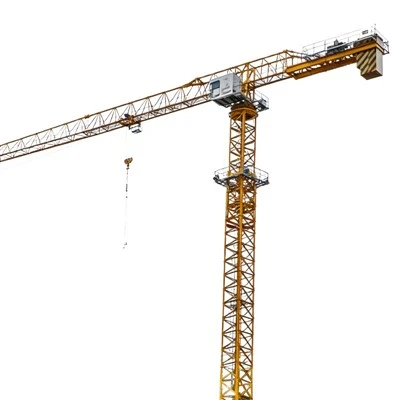
Hey there! I’m a supplier of used tower cranes, and I know how important it is to get those safety devices installed right. In this blog, I’ll walk you through the process of installing safety devices on a used tower crane. It might seem a bit daunting at first, but with the right steps and a bit of know – how, you’ll have your crane safe and sound in no time. Used Tower Crane
Why Safety Devices Matter
Before we jump into the installation process, let’s talk about why safety devices are so crucial. Tower cranes are massive pieces of equipment, and when they’re in operation, there are a lot of moving parts and heavy loads involved. Safety devices act as a safeguard, protecting both the operators and the people working around the crane. They help prevent accidents like overloading, tipping, and collisions, which can cause serious damage and even loss of life. So, it’s not just a nice – to – have; it’s a must – have for any used tower crane.
Pre – installation Checks
First things first, you need to do a thorough inspection of the used tower crane before you start installing the safety devices. This is like giving your crane a health check – up.
- Physical Inspection: Take a good look at the crane’s structure. Check for any signs of wear and tear, such as cracks, rust, or bent parts. Pay special attention to the mast, jib, and counterweights. If you find any issues, it’s best to get them fixed before proceeding with the safety device installation.
- Electrical System: The electrical system is the nerve center of the crane. Make sure all the wiring is in good condition, without any frayed wires or loose connections. Test the electrical components like switches and sensors to ensure they’re working properly.
- Mechanical Components: Inspect the mechanical parts, such as the hoist, trolley, and slewing mechanism. Check the gears, bearings, and brakes for any signs of damage or excessive wear. Lubricate the moving parts if necessary.
Types of Safety Devices and Installation
Now, let’s get into the nitty – gritty of installing the different safety devices.
Load Moment Indicator (LMI)
The Load Moment Indicator is like the brain of the crane when it comes to load management. It measures the load on the crane and the radius of the load from the crane’s center. This helps prevent overloading, which is one of the most common causes of crane accidents.
- Mounting the Sensor: The first step is to mount the load sensor on the hoist rope or the hook. Make sure it’s securely attached and properly aligned. You’ll need to follow the manufacturer’s instructions for the specific sensor you’re using.
- Installing the Display Unit: Next, install the display unit in the crane’s cab. This unit will show the operator the load and the radius information in real – time. Connect the sensor to the display unit using the provided cables.
- Calibration: After installation, you need to calibrate the LMI. This involves setting the crane’s parameters, such as the maximum load capacity and the boom length. You can usually do this using the display unit’s menu.
Anti – Collision System
An anti – collision system is essential, especially if there are multiple cranes working in the same area. It helps prevent cranes from colliding with each other or with other objects.
- Sensor Installation: Install the sensors on the crane’s jib and mast. These sensors use radar or laser technology to detect the presence of other objects. Make sure they’re positioned in a way that gives them a clear view of the surrounding area.
- Control Unit Setup: Connect the sensors to the control unit, which is usually located in the crane’s cab. The control unit will analyze the sensor data and send alerts to the operator if a collision is imminent.
- Testing: Once the system is installed, test it to make sure it’s working properly. You can do this by simulating a collision scenario and checking if the system sends the appropriate alerts.
Overload Protection Device
The overload protection device is designed to prevent the crane from lifting loads that exceed its capacity.
- Installation on the Hoist: Install the overload protection device on the hoist mechanism. This device will monitor the load on the hoist and stop the lifting operation if the load exceeds the set limit.
- Setting the Limit: Set the overload limit according to the crane’s specifications. You can usually do this using the device’s control panel.
- Testing: Test the overload protection device by lifting a known load that is close to the set limit. Make sure the device stops the lifting operation when the limit is reached.
Post – installation Checks
After you’ve installed all the safety devices, it’s important to do a final check to make sure everything is working as it should.
- Functionality Test: Test each safety device individually to make sure it’s functioning properly. For example, test the LMI by lifting different loads and checking if the display unit shows the correct information.
- System Integration: Check how the safety devices work together as a system. Make sure there are no conflicts or malfunctions between the different devices.
- Operator Training: Provide training to the crane operators on how to use and interpret the safety devices. They should know what the different alerts mean and how to respond to them.
Maintenance of Safety Devices
Installing the safety devices is just the first step. You also need to maintain them regularly to ensure they continue to work effectively.
- Regular Inspections: Conduct regular inspections of the safety devices. Check for any signs of damage, wear, or malfunction. Replace any faulty components immediately.
- Calibration Checks: Periodically calibrate the safety devices to ensure their accuracy. This is especially important for the LMI and the overload protection device.
- Cleaning: Keep the safety devices clean. Dust and debris can affect their performance, so make sure to clean them regularly.
Conclusion

Installing safety devices on a used tower crane is a crucial step in ensuring the safety of everyone involved in the crane’s operation. By following the steps I’ve outlined in this blog, you can install the safety devices correctly and maintain them properly. Remember, safety should always be your top priority when working with tower cranes.
Construction Hoists If you’re in the market for a used tower crane or need more information on safety device installation, don’t hesitate to reach out. We’re here to help you make the right choices and get your crane up and running safely.
References
- Crane Safety Manual, Industry Standards
- Manufacturer’s Installation Guides for Safety Devices
Tianjin Huizhi Import and Export Trading Co., Ltd.
We’re well-known as one of the leading used tower crane manufacturers and suppliers in China, specialized in providing high quality customized service. Please feel free to buy cheap used tower crane for sale here from our factory. Contact us for more details.
Address: Room 4175, Building D2, Zone D, Airport International Headquarters Base, Guangxuan Road, Dongli District, Tianjin, China
E-mail: admin@hugecrane.com
WebSite: https://www.hugecrane.com/
