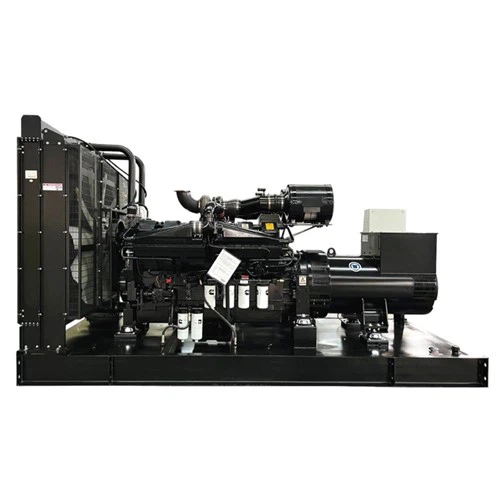
The frequency output of an industrial diesel generator set is a crucial parameter that significantly impacts its performance and compatibility with various electrical loads. As a supplier of industrial diesel generator sets, I have encountered numerous inquiries regarding this topic. In this blog, I will delve into the concept of frequency output, its importance, factors affecting it, and how we ensure the reliability of our generator sets in terms of frequency. Industrial Diesel Generator Set
Understanding Frequency Output
Frequency is defined as the number of cycles per second of an alternating current (AC) waveform. In the context of industrial diesel generator sets, the frequency is typically measured in Hertz (Hz). The standard frequency for electrical power systems varies around the world. In most countries, including the United States, Canada, and parts of South America, the standard frequency is 60 Hz. In Europe, Asia, and Africa, the standard frequency is 50 Hz.
The frequency of the electrical output from a diesel generator set is directly related to the speed of the engine. The engine drives an alternator, which converts mechanical energy into electrical energy. The alternator produces an AC voltage with a frequency that is proportional to the engine speed. For example, in a 50 Hz generator set, the engine typically runs at 1500 revolutions per minute (RPM), while in a 60 Hz generator set, the engine runs at 1800 RPM.
Importance of Frequency Output
Maintaining a stable frequency is essential for the proper operation of electrical equipment. Most electrical devices are designed to operate at a specific frequency, and any deviation from this frequency can cause problems. For instance, motors may run at incorrect speeds, which can lead to reduced efficiency, increased wear and tear, and even damage. Electronic devices such as computers, televisions, and medical equipment are also sensitive to frequency variations and may malfunction if the frequency is not within the acceptable range.
In addition to ensuring the proper operation of electrical equipment, a stable frequency is also important for the overall stability of the electrical grid. When multiple generator sets are connected to the grid, they must operate at the same frequency to avoid power fluctuations and disruptions. This is known as synchronization, and it requires precise control of the generator set’s frequency.
Factors Affecting Frequency Output
Several factors can affect the frequency output of an industrial diesel generator set. The most significant factor is the load on the generator set. When the load increases, the engine must work harder to maintain the same speed, which can cause the frequency to drop. Conversely, when the load decreases, the engine may run faster, causing the frequency to increase.
Another factor that can affect the frequency output is the engine’s governor. The governor is a device that controls the engine speed by adjusting the fuel supply. A well-tuned governor can help maintain a stable frequency by automatically adjusting the fuel supply in response to changes in the load. However, if the governor is not functioning properly, it can cause the frequency to fluctuate.
The quality of the fuel can also have an impact on the frequency output. Poor-quality fuel can cause the engine to run erratically, which can lead to frequency variations. Additionally, the temperature and humidity of the environment can affect the engine’s performance and, consequently, the frequency output.
Ensuring Reliable Frequency Output
As a supplier of industrial diesel generator sets, we take several steps to ensure the reliability of our generator sets in terms of frequency output. First, we use high-quality engines and alternators that are designed to operate at a specific frequency. Our engines are equipped with advanced governors that provide precise control of the engine speed, ensuring a stable frequency output even under varying load conditions.
We also conduct rigorous testing of our generator sets before they are shipped to our customers. During the testing process, we simulate different load conditions and monitor the frequency output to ensure that it remains within the acceptable range. If any issues are detected, we make the necessary adjustments to the governor or other components to ensure that the generator set meets our quality standards.

In addition to testing, we provide our customers with comprehensive training on the operation and maintenance of our generator sets. This includes instructions on how to monitor the frequency output and how to make adjustments if necessary. We also offer ongoing technical support to our customers to ensure that they can operate their generator sets safely and efficiently.
Conclusion
Silent Diesel Generator Set The frequency output of an industrial diesel generator set is a critical parameter that affects its performance and compatibility with electrical loads. Maintaining a stable frequency is essential for the proper operation of electrical equipment and the overall stability of the electrical grid. As a supplier of industrial diesel generator sets, we are committed to providing our customers with high-quality products that deliver reliable frequency output. If you are in the market for an industrial diesel generator set, we encourage you to contact us to discuss your specific requirements and to learn more about our products and services.
References
- "Electrical Power Systems: Design and Analysis" by Turan Gonen
- "Diesel Engine Generator Handbook" by George W. Hart
- "Power Generation Handbook" by Thomas Overbye
Dianbida Power Equipment (Jiangsu) Co., Ltd.
We’re well-known as one of the leading industrial diesel generator set manufacturers and suppliers in China. We warmly welcome you to buy advanced industrial diesel generator set at competitive price from our factory. If you have any enquiry about pricelist and quotation, please feel free to email us.
Address: No. 23, Nanhuan Road, Jiangdu District, Yangzhou City, Jiangsu Province
E-mail: 19962469616@163.com
WebSite: https://www.js-dbdpower.com/
