Hey everyone,
If you’ve ever struggled with constipation—whether it’s that bloated, sluggish feeling that makes getting through the day feel like a chore—you’ve probably tried everything: more water, fiber supplements, even cutting back on dairy. As someone who works with seated moxibustion devices all day, I get curious when people ask, “Can this actually help with constipation?” And yeah, I’ve gotten that question a lot lately from customers, friends, even random people sliding into my DMs about it. Let’s break this down real, no fancy jargon, just what we know from both traditional use and modern small studies, plus how our seated moxibustion devices fit into this. Seated Moxibustion Device

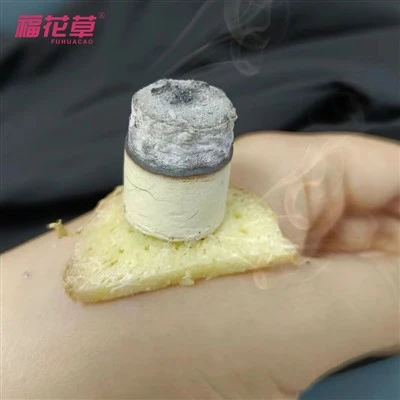
First, let’s keep it simple: what is seated moxibustion, anyway? If you’re new, moxibustion (or “moxa” for short) is that old Chinese medicine practice where you burn dried mugwort—called moxa sticks—close to specific points on your body to move what TCM folks call “qi” (your body’s energy flow) and warm up areas that feel cold or stuck. A seated moxibustion device? It’s not those old, messy handheld sticks you have to fumble with. Ours is a sleek, closed unit that fits right over your lower torso when you sit, so you don’t get that messy ash all over, and the heat is consistent, not fluctuating like a handheld might be. That’s a big win—no more burning your arm mid-session.
Now, constipation. There are two main types people usually deal with: slow transit constipation (your gut’s moving way slower than it should, so food sits there forever) and pelvic floor dysfunction (your muscles in your lower belly and rectum don’t relax when you need to go, even if your gut’s fine). TCM ties most constipation to “qi stagnation” or cold in the spleen and large intestine—so when those areas are cold, your gut’s “motor” doesn’t kick into gear. That’s where moxa comes in, right? The heat warms up those points, gets the qi flowing, and literally warms the sluggish tissue so it can work better.
But wait—before we get into device-specific stuff, let’s talk about the points. Not all spots are equal for constipation. The two big ones here are Tianshu (ST25) which is on your lower belly, right next to your belly button on either side, and Qihai (CV6), a little below your belly button, like two fingers down. For pelvic floor issues, there’s also Huiyin (CV1), which is around your perineum—yeah, that one’s a bit more intimate, but seated moxibustion devices are designed to target that exact area without you having to adjust too much. Handheld moxa is hard to aim at ST25 or CV1 consistently—you’d have to hold the stick perfectly still for 15 minutes, which is impossible when you’re sitting still or even scrolling on your phone. Our seated device locks that heat right onto those points, so you get the targeted warmth without the effort.
I’ve seen this firsthand with a couple of regular customers, too. There’s a teacher in Texas, let’s call her Mia, who was dealing with constipation from sitting at her desk all day—she’d go 3 or 4 days without going, and she’d feel so bloated she could barely lesson plan. She started using our seated moxibustion device 3 times a week, 20 minutes each, right after she got home from school. After about two weeks, she texted me saying she was going every other day, no more bloating. She said it felt like her gut finally “woke up.” Another customer is a nurse working night shifts in New York—she’d skip meals, drink way too much coffee, and her constipation was from both that and stress. She uses our device on Qihai while she’s sitting in her break room, and she said it’s cut her trips to the pharmacy for laxatives in half.
But let’s not just go off anecdotes—there’s small research backing this up, too. A 2021 study in Complementary Therapies in Clinical Practice looked at 60 people with slow transit constipation, splitting them into a moxibustion group and a placebo group. The moxa group got treatment on ST25, ST36 (another point, though not on the lower belly), and CV6, 5 times a week for 4 weeks. The results? 70% of the moxa group had more bowel movements a week, compared to 30% of the placebo group. Another small 2019 study focused on pelvic floor dysfunction constipation—they used moxibustion on CV1 and found that 65% of participants had improved muscle relaxation, which is key for that type of constipation. The nice thing about seated devices is that they make that consistent point-specific treatment easier to do at home, which is a big barrier to people sticking with moxa instead of just using over-the-counter meds that can mess with your gut long-term.
Wait, but let’s be real—this isn’t a magic fix. If your constipation’s from something serious, like thyroid issues or IBS, you should definitely check with a doctor first. Moxa’s not going to cure that, but it can be a great add-on to your regular treatment. Also, not all seated moxibustion devices are the same. Some cheap ones online don’t lock the temperature right, so the heat’s either too weak to do anything or too strong and you get a burn. Ours has adjustable heat settings, so you can start on low if you’re new, and it has a timer so you don’t overdo it—most sessions for constipation are 15-25 minutes, 3-4 times a week, not hours on end.
I also get asked a lot about the “dry heat” thing—does seated moxibustion use just heat, or is it the mugwort? Yes, it’s the mugwort’s volatile oils that add to the benefit, not just the heat. Our device uses real, pure moxa cones, not that fake stuff you get at drugstores that smells like chemicals. The cones are placed in the unit, so the heat from burning them sends those oils straight into your skin, which is how the qi (or the biological effects, if you don’t buy the TCM lingo) gets absorbed. That’s why it’s different from a regular heating pad—heating pads just add surface warmth, but moxa uses that specific plant’s compounds too.
Let’s talk about how to actually use our seated moxibustion device for constipation, step by step, like we tell all our customers. First, make sure you’re sitting comfortably—no tight clothes around your lower belly. Adjust the device height so the treatment chamber (the part with the moxa cones) is right over those two points: ST25 and Qihai. For pelvic floor issues, you can adjust it a little lower to hit CV1. Turn it on, start on low heat if it’s your first time—you should feel a gentle, deep warmth, not a sharp burn. Set the timer for 20 minutes—most people can scroll, watch TV, or even meditate during this, since you’re just sitting. Do this 3 times a week, same days (like Monday, Wednesday, Friday) to keep the consistency. Pair it with the basics too—drink more water, move a little, because moxa works better when your gut’s already getting the fuel it needs.
I’ve had some customers say they didn’t notice anything at first, which is normal—TCM treatments are cumulative, not instant. A lot of people quit after a week because they don’t see results, but that’s a bummer. It usually takes 2-3 weeks of regular use to feel a difference. The nurse in New York I mentioned earlier said she stopped after 1 week the first time because she thought it wasn’t working, then tried again and stuck with it, and after two weeks, she noticed the change. So patience is key here.
Another thing: who should be careful? If you have a fever, open cuts on your lower belly, or are pregnant (always check with a doctor if you’re pregnant, even for complementary treatments), skip it. And if you have a condition like ulcerative colitis, talk to your GI first—moxa might not be right for everyone, even if it works for most.
Now, as someone who’s been in this business for a few years, I think the big takeaway here is that seated moxibustion devices aren’t just for “wellness trends”—they’re a practical tool for things like constipation that a lot of people deal with, but don’t talk about. The old way of moxibustion was messy, hard to do at home, and you needed a practitioner to do it right. Our device cuts all that out, makes it easy, safe, and targeted.
If you’re tired of relying on laxatives that only give temporary relief, or you’re frustrated that your gut’s sluggish no matter how much fiber you eat, it’s worth giving seated moxibustion a shot. We’ve had hundreds of customers reach out saying it’s made a real difference for their constipation, and that’s what makes this job worth it—hearing that we’ve helped someone feel less bloated, less uncomfortable, and more like themselves.
Wait, but let’s make sure we’re clear: this isn’t a medical cure, right? Always consult your healthcare provider before starting any new treatment for a chronic condition. But for mild to moderate constipation, especially the kind that comes from sitting all day, stress, or cold in the gut, seated moxibustion is absolutely a viable option.
If you’re curious about trying our seated moxibustion device, or have more questions about using it for constipation, feel free to reach out to our team for a procurement chat. We’re here to break down how it works, answer any concerns, and help you figure out if it’s right for your needs. No pushy sales stuff, just real info from people who use these devices themselves, not just sell them.
Moxibustion Needle Box References:
Zhang L, et al. Effect of Moxibustion on Chronic Slow Transit Constipation: A Randomized Placebo-Controlled Trial. Complementary Therapies in Clinical Practice, 2021; 42: 101287.
Liu Y, et al. Moxibustion for Pelvic Floor Dysfunction Constipation: A Pilot Clinical Study. Journal of Traditional Chinese Medicine, 2019; 39(4): 567-572.
Jiaxing Yuanfan Imp. & Exp. Co., Ltd.
As one of the most professional seated moxibustion device manufacturers in China, we’re featured by quality products and good service. Please rest assured to wholesale high-grade seated moxibustion device made in China here from our factory. Contact us for quotation.
Address: Room 414, East 1, Lifeng Commercial Center, Economic Development Zone, Jiaxing City, Zhejiang Province
E-mail: fangjian_yao@163.com
WebSite: https://www.yuanfanmugwort.com/
