If you’ve ever stood in front of a cluttered, unlabeled circuit breaker panel at 2 a.m. with a flickering kitchen light and no clue which switch to flip, you know how frustrating—and even dangerous—that confusion can get. As a circuit breaker panel supplier, I’ve spent years working with electricians, property managers, and homeowners to refine labeling systems that solve that exact problem. A great labeling system isn’t just about sticking a few sticky notes on a metal box; it’s about making the panel safe, easy to use, and compliant with industry standards, while also standing the test of time. Over the years, I’ve seen too many under-labeled panels lead to avoidable injuries, costly repair delays, and even code violations, so today I’m breaking down exactly how to build an effective labeling system that works for every type of property, from a 1,000-square-foot home to a commercial retail space with 50+ circuits. Circuit Breaker Panel

First, let’s start with the most foundational step: planning before you even touch a pen or a label maker. Too many people rush to label circuits right after a panel installation, only to leave out key spaces, mislabel critical circuits, or skip updating the system when they add a new appliance or do a renovation. The planning phase needs to involve mapping every circuit and its load, and that means more than just guessing which switch powers the garage or the bedroom. For a residential panel, that means pulling a circuit directory (usually located inside the panel door, often under a plastic flap) and physically testing each switch one by one. Turn off all the main lights and appliances in the home, then flip one breaker at a time and check which device or area loses power. For commercial spaces, this is even more important—you’ll need to coordinate with building management to turn off large loads like HVAC units, refrigeration systems, or POS terminals without disrupting daily operations. I always tell my clients to take photos of each test in progress; that way, if they need to reference the mapping later, they have a visual record instead of just handwritten notes that fade over time.
Next, prioritize clarity and consistency in your labeling format. This is where most people go wrong: they mix shorthand, abbreviations, and vague terms that only make sense to them, and then new electricians or homeowners move in and get confused. The best labels are simple, specific, and standardized. For example, instead of writing “kit” to mean “kitchen,” specify “Kitchen – Upper Counter Outlets” and “Kitchen – Lower Counter Outlets” if those are on separate circuits (code requires counter outlets to be protected by GFCI, and often split between two breakers). For critical circuits, make them extra clear: “Master Bedroom – Smoke Detectors” or “Whole-Home Surge Protector” should be bolded or highlighted, and dedicated circuits like the electric range, dryer, or air conditioner should have the appliance name followed by “Dedicated Circuit” so no one accidentally overloads that breaker. I also recommend avoiding jargon—terms like “AFCI” or “GFCI” are fine if they’re standard, but don’t use proprietary abbreviations that no one else will understand. Consistency is key too: use the same font size, label material, and formatting for every circuit. If one circuit is labeled with a tiny pen mark and another is a bold printed label, it’s easy to skip the small one when you’re in a hurry during an emergency.
Now, choosing the right label materials is non-negotiable for durability, especially since circuit breaker panels are in basements, utility rooms, or outdoor spaces where they’re exposed to dust, moisture, and temperature fluctuations. I’ve seen sticky paper labels peel off within a year, only to leave behind sticky residue that’s hard to clean and no way to tell which switch does what. For residential panels, I recommend using vinyl labels that are rated for electrical environments—they resist fading from sunlight, don’t peel in high humidity, and adhere firmly to the plastic or metal of the panel door. For commercial or industrial panels, where chemicals or heavy dust are common, use polyester labels with a protective laminate layer; these can last 10+ years without wear. Avoid using generic office supplies: marker smudges, masking tape, and adhesive notes are all short-term fixes that end up costing more time and money when you have to re-label the panel later. As a supplier, we often include free sample vinyl and polyester labels with our panel shipments, because we know how important the right material is to long-term usability.
Another critical step: organize the labels in a logical, easy-to-find order, not just in the order the breakers are arranged in the panel. Most panels have breakers grouped by function, but not always, so aligning your labels with how people actually use the panel is far more effective. For example, instead of labeling circuit 1, circuit 2, etc., group all the living space circuits together, then the outdoor circuits, then the high-load appliances. If you have a main breaker, label that clearly at the top of the list, with a note that it shuts off all power to the home. For panels with tandem breakers (smaller breakers that fit two circuits in the space of one), make sure each label corresponds to the exact tandem slot, so you don’t mix up two separate circuits that share a breaker slot. I also recommend placing a master directory on the inside of the panel door, with a grid that maps each breaker’s number, its location, and its load—this is what anyone will reference first when they need to find a circuit, so it should be big enough to read without squinting, and laminated so it doesn’t get damaged by dust or spills.
Don’t forget to account for future changes. Circuit layouts aren’t static—add a new hot tub, remodel the basement, or install a EV charger, and you’ll have a new circuit that needs to be labeled. The best labeling systems include a section for “New Circuits” or a blank line in the master directory so you can easily add new labels without redoing the entire panel. I always advise my clients to add a date next to each new label when they install it, so years later, they can remember when a circuit was updated or which electrician did the work. For panels with extra slots (many residential panels have 4 or 8 extra breaker spaces), label those too as “Available Slot – Future Use” so no one accidentally uses a spare slot for a circuit that needs to be moved, or misses an available space when adding a new appliance.
Safety is the final, non-negotiable priority of any circuit breaker labeling system. The National Electrical Code (NEC) requires that all circuits be clearly labeled for safety, so not having proper labels isn’t just inconvenient—it can lead to fines during inspections, and in the worst cases, electric shocks or fires from overloaded circuits. Critical safety circuits like smoke detectors, carbon monoxide alarms, and emergency lighting should be marked with a bright color, like red or orange, to stand out in an emergency. When labeling circuits, never omit critical information: for example, if a circuit powers a hot water heater, don’t just write “Water Heater”—add “Turn Off During Plumbing Repairs” so anyone working on the water heater knows to disconnect power first. I also always tell my customers to test their labeling system once a year, especially after a renovation or new appliance installation. Flip each breaker and confirm it matches the label, updating or correcting any labels that have faded or are mislabeled.
Over the years, I’ve worked with hundreds of clients who started with messy, unlabeled panels, and the difference a good system makes is night and day. A well-labeled panel reduces repair time, prevents errors during emergencies, keeps properties code-compliant, and even extends the lifespan of your circuit breakers by preventing overloads. If you’re installing a new circuit breaker panel or updating an old one, building an effective labeling system is one of the most important things you can do to keep your property safe and functional long-term.
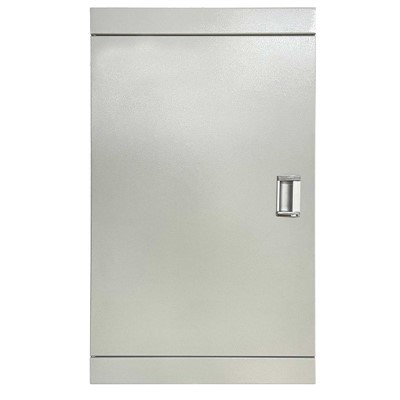
If you’re in the market for a reliable circuit breaker panel or need guidance on designing a labeling system tailored to your specific space, we’d be happy to walk you through the process and help you find the right solutions for your needs.
Miniature Circuit Breaker References
- National Electrical Code (NEC) Article 408.4: Identification of Circuits in Panelboards
- Electrical Safety Foundation International (ESFI): Circuit Breaker Panel Labeling Best Practices, 2021
- Underwriters Laboratories (UL): Standard for Panelboard Labels, UL 969, 2022
- International Code Council (ICC): Residential Code for One- and Two-Family Dwellings, Section E3801.6.1: Circuit Identification
Tianjin JMT Electric Co., Ltd.
Tianjin JMT Electric Co., Ltd. is one of the most reliable circuit breaker panel manufacturers and suppliers in China, also supports customized service. Please feel free to buy advanced circuit breaker panel made in China here from our factory.
Address: East Side of Road No. 6, Jinghai Economic Development Zone, Tianjin
E-mail: wangbing@tj-jamit.com
WebSite: https://www.jamit-electric.com/
