If you’ve ever worked in a bar, restaurant, or even a busy café that serves draft beer, you’ve probably noticed two very different types of coolers: one that sits hidden behind the bar, stuffed with kegs of beer, soda, and bottles of liquor, and another that’s maybe in the break room or a storage closet, keeping your office’s bottled water or lunchroom sodas cold. When I started in the back bar cooler game—let’s be real, most people don’t even know this niche exists unless they’re buying coolers for a hospitality space—I assumed all coolers were basically the same. Spoiler: I was so wrong. Back bar coolers (or BBCs, as we folks in the trade call ’em) aren’t just smaller regular coolers, and if you’re running a busy venue, picking the wrong one will cost you way more than you think—both in time and money. Back Bar Cooler
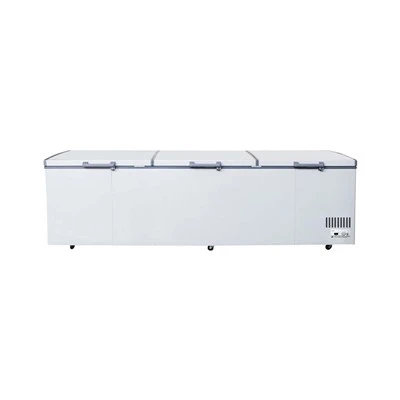
Let’s start with the basics: what is a regular cooler, anyway? The kind most people have in their home, or the ones you can buy at a big box store to stock in a small office, are built for low, steady use. They’re insulated boxes, usually with a hinged door, a basic refrigeration unit, and they keep things cold (usually between 34°F and 40°F) as long as you don’t open the door way too much all day. The insulation is decent, but not made to handle constant door slams or heat spikes from a line of people yanking drinks out. The refrigeration system is simple, too—small compressors that cycle on and off as needed, no fancy tech to handle opening the door 20 times an hour every hour for 12 hours straight. Most regular coolers are also sized for bulk storage, not quick access, so you’ve got to dig through a pile of cans to find what you need. For a tiny office where 5 people grab a soda a day, that’s fine. For a bar that serves 500 customers on a Saturday night? That regular cooler is going to struggle.
Now, back bar coolers are engineered for exactly that busy, high-traffic scenario. The biggest difference right off the bat is location and access. BBCs live directly behind the bar, so bartenders can reach in, grab a beer, a bottle of wine, or a mix, in a split second. That means their design is all about easy access—most have glass doors (to keep cold in but let staff see what’s stocked, no digging!) or even open shelving for the fastest grab. But here’s the thing about a bar back: it’s a tight, often warm space. Think about it: you’ve got kegs sitting in there, beer lines running, people pulling pints nonstop, plus the heat from the refrigeration unit itself. A regular cooler would overheat in that cramped, warm environment because it’s not built for ambient temps that are higher than a standard room. BBCs have heavier-duty compressors and better insulation that can handle ambient temps up to 90°F—no overheating, no failed refrigeration mid-shift.
Temperature control is another game-changer. Regular coolers are pretty loose with their temp range; if you leave the door open for 5 minutes while you grab a snack, it might jump to 45°F and take an hour to get back to 38. For beer or soda, that’s not the end of the world, but for perishable mixers—like fresh citrus juice, syrup for cocktails, or even craft beer that’s sensitive to temp swings—you need way more precision. Back bar coolers maintain a consistent temp within 1 or 2 degrees, no big spikes. That’s not just about keeping drinks cold—it’s about preserving quality. I’ve heard so many horror stories from bar owners who used a regular cooler for their craft beer lineup, and after a few weeks, the beer tasted flat or skunky because the temp bounced too much. Craft beer is delicate; that’s why we build BBCs to keep every keg at the exact temp it needs, day in and day out.
Storage design is where the two coolers diverge the most, at least for people who work in hospitality. Regular coolers have wide, deep shelves made for stacking bulk cases of soda or office supplies. Back bar coolers are built vertically, not horizontally. Bartenders don’t need to stack 20 cases of beer behind the bar—they need easy, eye-level access to every bottle and keg they use. So BBCs have adjustable, narrow shelves (some even have specialized racks for wine bottles or liquor bottles) and sometimes even divided sections to separate draft kegs from bottled beer, so nothing gets mixed up. Some of our models even have cutouts for draft beer lines to run right into the cooler, so the taps on the bar top can connect straight to the keg sitting inside, no long lines that warm up. That’s a huge win—warm draft beer is a customer complaint waiting to happen.
Durability is non-negotiable for back bar coolers, and that’s another thing that makes them way different from regular coolers. A home or office cooler might get opened 10 times a day, tops. A back bar cooler? It’s getting opened 50, 100, even 200 times a shift. Bartenders are grabbing drinks fast, sometimes yanking the door open hard, bumping the sides with kegs or crates of bottles. Regular coolers have thin plastic doors and light-duty hinges that will break within a year of that kind of use. BBCs have heavy-gauge stainless steel exteriors and doors, commercial-grade hinges that can handle thousands of openings, and scratch-resistant interiors that don’t get scuffed up when you’re moving heavy items around. The refrigeration parts, too—regular coolers have parts made for light use, so they’ll burn out after a few years. BBC compressors are built to run 12+ hours a day, every day, with zero downtime. I’ve got clients who’ve had our BBCs running for 10 years with no major repairs, and they’re still going strong. I can’t say that about any regular cooler I’ve seen used in a busy setting.
Wait, what about energy use? That’s a big one I almost forgot. People think, “Oh, a smaller cooler uses less energy,” but that’s only true if it’s sized right for the job. A back bar cooler is designed to be energy-efficient even with constant door openings, because of the better insulation and smarter compressors. A regular cooler, when crammed into a tight, warm bar back, has to work way harder to keep cold, so it uses way more electricity than you’d expect. I had a client a few years ago who swapped out his office cooler for a BBC because he was tired of his energy bill being $200 a month higher than the venue down the street. Turns out, his old regular cooler was running nonstop because it couldn’t handle the bar back’s heat, and the BBC cut his energy use by 30%—no joke. That adds up fast, especially for a small business with thin profit margins.
Another common misconception: people think back bar coolers are only for draft beer. Nope! Some of our most popular models are for liquor bars, cocktail lounges, even coffee shops that need to keep cold brew or syrups accessible. A cocktail bartender has 20+ different spirits, mixers, and syrups at their fingertips, so a BBC with adjustable shelves and bottle racks is perfect for that. Regular coolers don’t have the flexibility to organize all those different items, so you end up with a jumbled mess and drinks that get lost or go bad because they’re hidden.
Now, let’s talk about when you’d use which, because it’s not like one is better than the other for everything. If you’re a small café with a tiny storage closet that needs to keep cases of bottled water or bulk coffee supplies cold, a regular cooler works fine. If you’re running a busy bar, nightclub, restaurant, or even a large coffee shop with high customer turnover? A back bar cooler is non-negotiable. I’ve seen too many new bar owners cut corners on coolers, buy a cheap regular cooler to save a few hundred bucks, and end up replacing it every 18 months, plus dealing with ruined beer and unhappy customers. That’s way more expensive than investing in a good BBC up front.
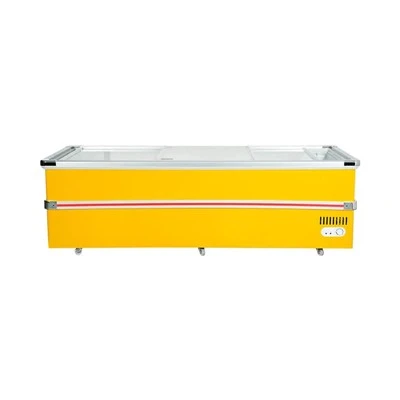
Here’s the thing that sticks with me, after working in this space for years: hospitality is all about keeping things running smoothly for your customers. When a bartender can grab a cold beer in 2 seconds, when every draft pint is the right temp, when you don’t have to deal with a broken cooler in the middle of a Friday night rush? That’s how you build repeat customers. A cooler isn’t just a box that keeps things cold—it’s a workhorse for your business. Back bar coolers aren’t just “fancier regular coolers”; they’re built for the specific chaos of a busy bar, restaurant, or venue. They last longer, work better, save you money in the long run, and help you serve your customers the way they expect.
Ice Maker If you’re outfitting a new bar, upgrading your current cooler setup, or just have questions about which one is right for your space, don’t guess. I’ve helped so many small bar owners pick the right back bar cooler without overspending, and I can walk you through all the options—from small under-counter models for tight bar spaces to larger units that can hold multiple kegs and hundreds of bottles. Skip the headache of a regular cooler that can’t handle the grind, and get something built for the job. Reach out whenever you’re ready to chat through your needs, no pressure, just straight answers for a fellow hospitality lover.
References
- Food and Beverage Refrigeration Association. (2022). Commercial Refrigeration for On-Premise Food Service. Retrieved from industry trade documentation
- U.S. Department of Energy. (2021). Energy Efficiency Tips for Commercial Refrigeration and Freezers. Retrieved from federal energy efficiency program resources
- National Restaurant Association. (2023). Kitchen Equipment Guide: Back Bar and Beverage Storage. Retrieved from hospitality industry operational guidelines
Zhejiang Xingbao Electrical Appliances Co., Ltd.
As one of the most professional back bar cooler manufacturers and suppliers in China, we also support customized service. Welcome to wholesale bulk high quality back bar cooler in stock here from our factory. If you have any enquiry about pricelist, please feel free to email us.
Address: No. 10 Baisha Road, Lianhang Development Zone, Chang’an Town, Haining City, Jiaxing City, Zhejiang Province, China
E-mail: zjxingbao@gmail.com
WebSite: https://www.sunborncn.com/
