Hey everyone, it’s Jamie from the art paper crew here—you know, the folks who’ve been hooking illustrators, sketch artists, and art students up with solid paper that doesn’t flake mid-doodle or turn to pulp when you spill a tiny bit of watercolor. Today I wanna cut through the noise because I swear so many new artists (and even some seasoned ones) ask me the same exact question: “Smooth vs rough art sketch paper—what’s the actual difference, and why does it even matter?” Like, yeah, we all know one feels softer, one’s bumpy, but there’s way more to it than just how it rubs between your fingers. Let’s break this down like we’re chatting over a latte, no stuffy textbook jargon, I promise. Art Paper
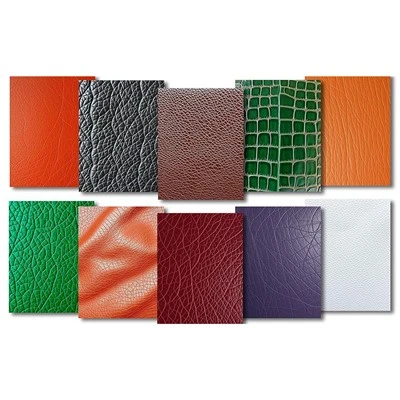
First, let’s get one thing straight: I’m not talking about construction paper for grade school crafts here. This is the good stuff—sketch paper made specifically for pencils, charcoal, pastels, even light ink washes. Smooth art paper (sometimes called “plate finish” or “cold-pressed smooth” but let’s keep that boring label for the packaging) is exactly what it sounds like: super flat, almost no texture to speak of. Think the kind of paper you might use for a formal portrait sketch, where every line needs to be sharp, no fuzzy edges. Wait, but why does that texture affect your art so much? Let’s get science-y for two seconds but keep it light. Paper texture comes down to how the pulp is processed. When we make smooth paper, we run the wet pulp through heavy metal rollers that press all the tiny fibers flat. That squeezes out the air pockets and bumps, so the surface is like a mini mirror—almost. Rough paper? No heavy rollers. We let the pulp dry naturally, or use lighter pressure, so all the little plant fibers (usually cotton or wood pulp, depending on the grade) stay standing up. Those bumps are basically tiny little hills and valleys on the page.
Let’s talk about how your drawing tool interacts with those hills, because that’s the real game-changer here. Take graphite pencils, for example—your go-to for most sketching. On smooth paper, the graphite glides. It’s like drawing on butter, but not in a slippery bad way. You can lay down a thin, precise line for an eye lash, or build up a solid dark tone for a shadow without worrying the paper will catch too much graphite and make it blurry. That’s why smooth paper is the pick for concept artists who sketch characters for games or comics—they need clean line work that’s easy to scan and digitalize later. No weird texture getting in the way of that crisp line art.
Now rough paper—let’s say you’re using charcoal or a soft pastel stick. Those tools are made to leave loose, dusty pigment, right? On rough paper, the little valleys catch all that dust, so it sticks way better. You don’t have to press super hard, and you get that rich, layered tone that looks like it has depth. I had a customer last month who’s a wildlife sketch artist—she swears by rough paper for sketching lions and tigers because the bumps mimic fur, almost? Wait, no, not exactly, but when she adds charcoal stokes, the paper’s texture makes the fur strokes look more natural, not flat. Also, if you’re into blending, rough paper can actually add a cool effect when you smudge—you get tiny little imperfections that feel organic, not like a digital blend. That said, rough paper can be tricky if you’re not paying attention. If you use a hard pencil on it, you’ll get that grainy line that might look intentional, but if you just want a plain, clean line? It can catch the graphite and make it fuzzy.
Wait, let’s get real about uses, because that’s what most artists care about. Let’s split it into actual scenarios so you don’t have to guess which to grab. Smooth paper is your go-to when: you’re doing precision sketching (like architectural sketches, where you need straight lines that don’t wobble), ink sketching (because ink pen lines will bleed less on smooth paper—no feathering!), mini sketches for a sketchbook that fits in your pocket (since smooth paper is usually thinner, too, so it doesn’t take up space), or if you’re new and still practicing line control (less texture means less variables messing with your lines).
Rough paper is better when: you’re working with soft dry media (charcoal, pastel, conte crayon), you want to build up layers of tone that feel rich, you’re sketching outdoors (plein air sketchers love rough paper because it’s more forgiving if it gets a little damp—wait, no, hold that thought, I shouldn’t generalize, but the texture is more resistant to smudging if you’re moving around a lot), or if you’re into expressive sketching, not just line work. I had another customer who’s a life model sketch artist—she uses rough paper because she doesn’t care about perfect lines; she wants to capture the energy of the pose, and the rough paper makes her charcoal strokes feel more alive.
Now, let’s bust a myth I hear all the time: “Smooth paper is just for beginners, rough is for pros.” No way. I’ve been in this paper game for 12 years, and I use both every single week. Last month, I did a small portrait sketch of my niece for her birthday on smooth paper—crisp lines, perfect for framing. Last week, I sketched my hiking trail on rough paper, using pastel, and that’s the one that’s taped to my fridge. It’s not about skill, it’s about what you wanna make. If you’re sketching a logo for a friend? Smooth. If you’re sketching the sunset you saw on the trail? Rough.
Wait, also, let’s talk about paper weight, because that ties into texture too, right? Smooth paper is often lighter—like 60lb to 100lb—so if you’re doing a sketch that you might scan and color digitally, smooth is fine. It doesn’t warp if you use a light eraser, either, though you still have to be careful not to rub too hard. Rough paper is usually heavier, 80lb to 140lb, so it doesn’t warp when you layer charcoal or blend it a lot. That’s a big one—warped paper ruins sketches, especially if you’re trying to keep it flat.
Another thing: erasers. If you make a mistake on smooth paper, a kneaded eraser will lift the graphite almost completely, no residue, because the surface is so flat. On rough paper? The eraser can’t get into the little valleys, so you might have a faint ghost of your mistake, or you’ll have to work a little harder to lift it. That’s a pro move, though—some artists love that subtle ghost effect for depth. I once watched an artist use the eraser’s faint residue on rough paper to make a shadow in a portrait, and it looked intentional, like they planned it.
Let’s get specific about mediums, because that’s where most new artists mess up. If you’re using a ballpoint pen or a fine liner pen? Smooth paper is non-negotiable. Ink feathering is when the ink spreads into the paper fibers, and rough paper makes that way worse. You’ll end up with lines that look blurry, not sharp. If you’re using watercolor? Wait, hold on, this is sketch art, but light washes—smooth paper will have the water sit on top, so it’s easier to control, but if you want that textured watercolor wash, rough paper is the way to go, because the valleys hold the pigment, so you get that uneven, organic look.
Wait, let’s address the elephant in the room: cost. Does one cost more than the other? Not usually, if we’re talking about the same grade. The difference is usually in how it’s processed, not the materials, so the price is almost identical. That’s good news—you don’t have to pay extra for texture. We keep our pricing fair because we know artists are on budgets.
Now, let’s talk about when you might wanna mix them? I’ve done sketches where I used smooth paper for the line art (a character’s face) and then went over parts with rough paper for the clothing or background, using pastel. It’s a fun hybrid look, though you have to make sure the two papers are the same size if you’re doing that, or mount them on a board.
Let me give you a quick cheat sheet to take with you, so you don’t have to remember this whole chat:
- Pick smooth sketch paper if: precision, line art, ink work, scanning, small sketchbooks, easy erasing.
- Pick rough sketch paper if: soft dry media (charcoal, pastel), layered tone, expressive work, outdoor sketching, organic effects.
- No rule says you can’t use both, or switch them up as you get better.
Wait, and here’s a personal tip from me, since I’ve helped thousands of artists pick paper: if you’re still unsure, go for a mid-grade finish—wait, no, some brands call that “cold-pressed” which is a middle ground, but for sketching, if you’re just starting out, get a sample pack. We send free sample packs with 5 sheets of smooth, 5 of rough, so you can test them at home, right in your own sketchbook. No need to buy a whole pad and realize you hate the texture.
At the end of the day, it’s all about your style. I’ve seen hyper-realistic portraits done on rough paper, and loose, expressive sketches done on smooth. The texture doesn’t make the art good or bad—what you put on it does. The paper just gives you a tool to make the vision you have in your head.

If you’re still stuck, or you wanna talk about what medium you use and what finish would work best, hit us up. We’re not just a paper supplier—we’re artists too, so we get the frustration of picking the wrong paper and ruining a half-finished sketch. We can help you pick the right pad, no pressure, no salesy stuff. Just people who care about good paper and good art.
Art Paper References:
- The Art of Paper: A Guide to Choosing the Right Sketching Paper, International Artist Magazine, 2022.
- Fine Paper Manufacturing: Pulp Processing and Texture, Paper Industry Journal, 2021.
- Artist Materials Survey: Common Challenges with Sketch Paper Texture, Creative Arts Collective, 2023.
Dongguan Banyan Material Co., Ltd.
We are one of the most experienced art paper manufacturers and suppliers in China, also support customized service. Please feel free to wholesale bulk eco-friendly art paper from our factory. Quality products and reasonable price are available.
Address: NO.167, Meijing West Road, Songmushan, Dalang Town, Dongguan City, Guangdong Province, China
E-mail: Sales_chris@yspaper.com
WebSite: https://www.paperyoung.com/
